
UW-Platteville engineering instructor wins federal grant to study student stress
A member of UW-Platteville's industrial engineering faculty has secured a federal grant to develop ways to quickly measure how stress affects performance in classroom and team settings.
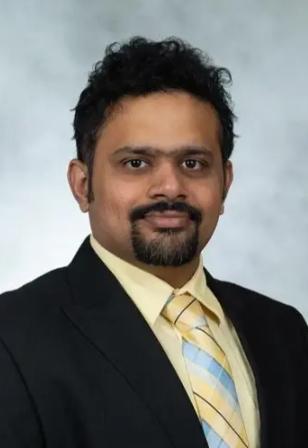
The National Science Foundation's Improving Undergraduate STEM Education program in October awarded Dr. Gana Natarajan nearly $81,500 to fund the collaborative two-year project.
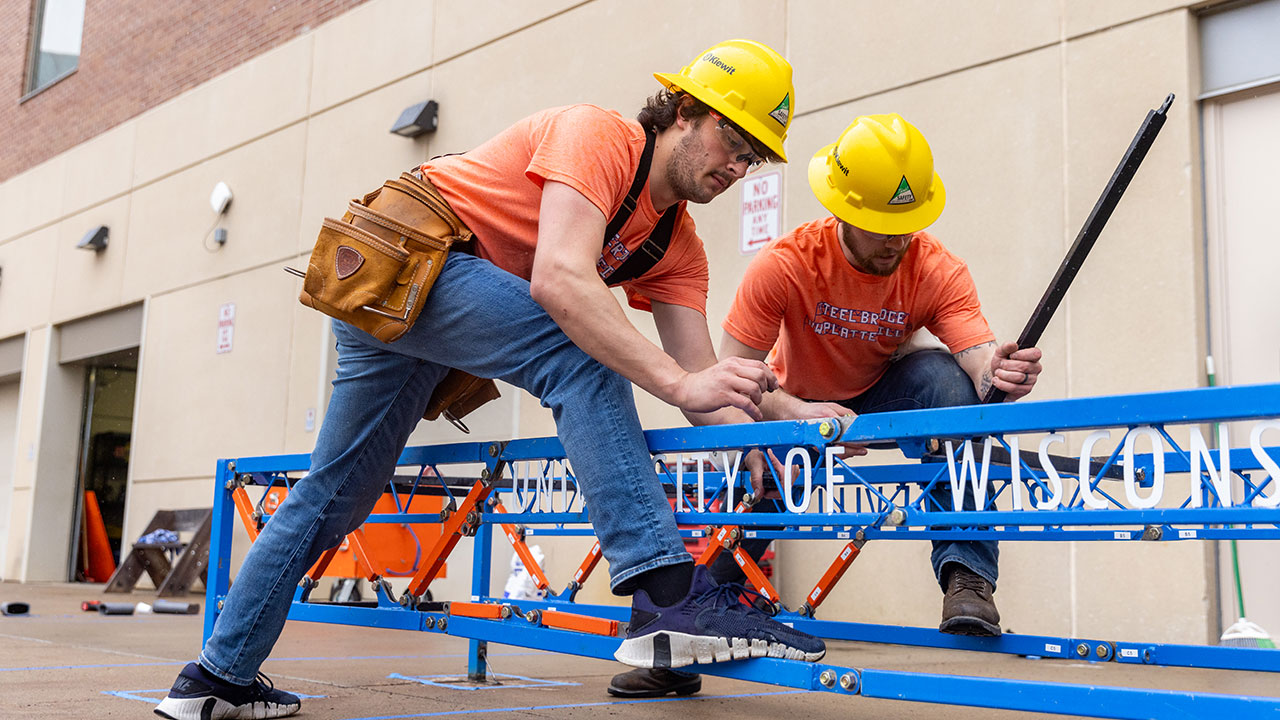
Engineering students, especially female and first-generation students, face demanding academic and time management challenges and intense competitive pressure, leading to a normalized culture of stress, according to researchers.
A 2024 study conducted by researchers from the University at Buffalo (SUNY) and the University of Texas at El Paso, for example, found that Asian and Asian American engineering students reported skipping eating, going without sleep and adopting other unhealthy ways to cope with their workloads. Half of the 924 first- and second-year engineering students who responded to a 2022 survey conducted across eight U.S. universities reported screening positive for a major mental health condition, including depression, anxiety, post-traumatic stress disorder or major psychological distress.
Most of the research into engineering student stress has focused on individual students. As engineering courses increasingly shift to collaborative learning and group work, Natarajan became interested in how stress affects learning in a team context and class performance as a whole.
“The biggest problem that we’re trying to solve is stress often impedes undergraduate academic performance and students’ persistence in undergraduate degree programs," Natarajan said. "We are trying to move that needle a little bit where we can better understand student stress so we can design better classroom experiences.”
Rather than asking students to fill out lengthy questionnaires describing their stress levels, Natarajan wants to develop a short survey -- perhaps only one or two questions -- that instructors can pose to their students at the beginning of each class. Students can respond online through Canvas, a popular online learning platform, or through their phones. Instructors would view a summary of the responses in real-time, enabling them to adjust their lecture or lesson plans within minutes.
The second part of the project calls for developing ways to correlate student responses with overall class performance. That in turn will help determine whether students are feeling enough stress to stimulate them or so much that it's affecting their performance.
"The best learning happens with stress, but not too much," Natarajan said. "We want to determine that equilibrium."
The project could lead to significant improvements in designing students' workloads, an NSF summary noted.
"Engineering education has evolved over the past several decades in response to the changing needs of our students, and today that means giving greater attention to mental health and well-being," UW-Platteville College of Engineering, Mathematics and Science Dean Philip Parker said. "Gana's research on stress is an important step toward understanding how we can create learning environments that challenge students while supporting their ability to thrive."